Floating Saunas vs. Traditional Saunas: What’s the Difference?


Introduction
When it comes to relaxation and wellness, saunas have long been a popular choice. Recently, however, a new trend has emerged—floating saunas. These unique structures offer a fresh twist on the traditional sauna experience. But what exactly sets them apart from their conventional counterparts? Let's explore the differences between floating saunas and traditional saunas.
What Is a Floating Sauna?
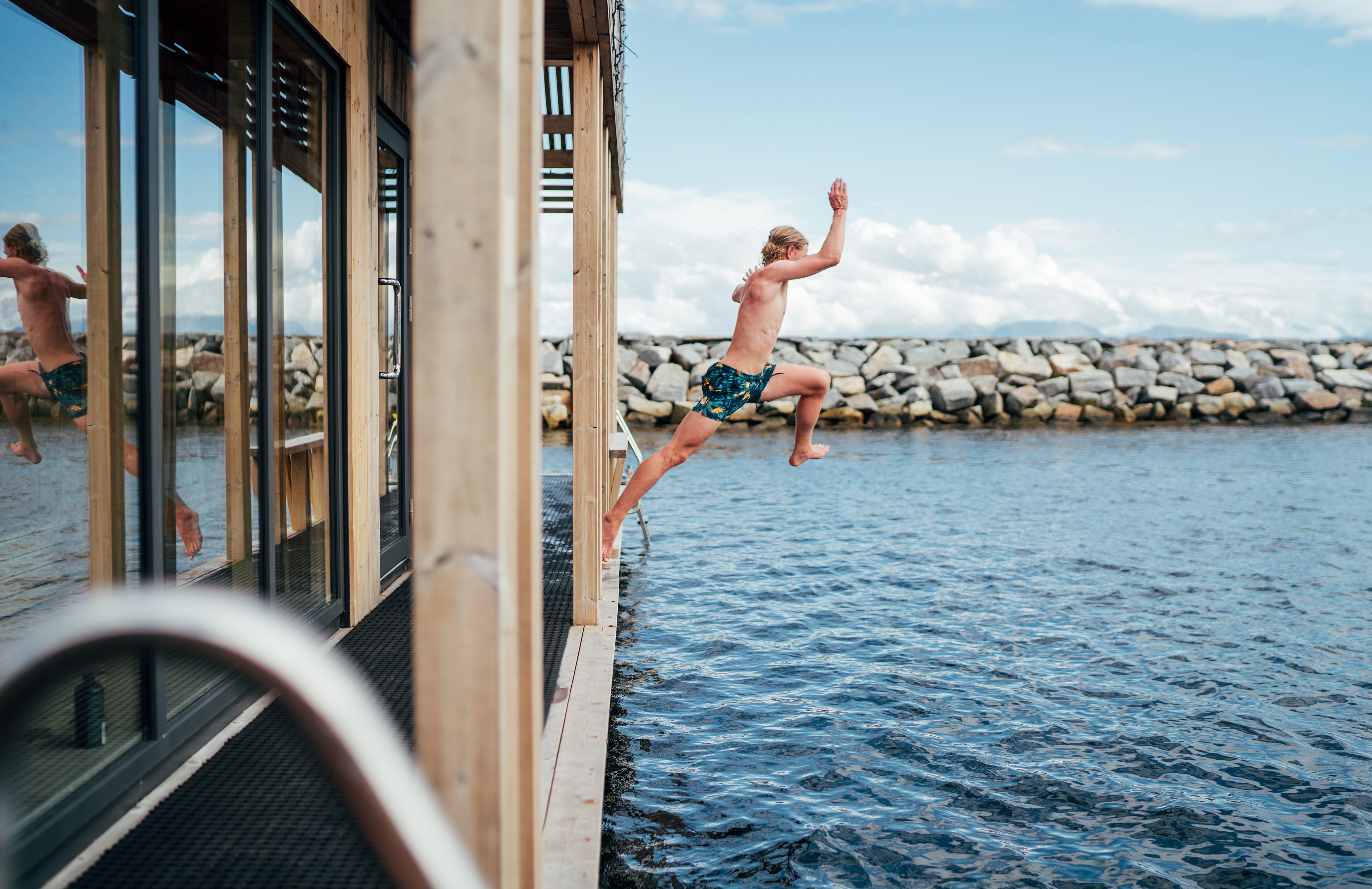
Floating saunas are exactly what they sound like: saunas that float on water. Typically constructed on a barge or pontoon, these saunas offer a unique experience by combining the soothing heat of a sauna with the calming presence of water. They are often found on lakes, rivers, or coastal areas, providing a tranquil setting for relaxation.
Design and Construction
Floating saunas are designed to be both functional and aesthetically pleasing. They often feature large windows, allowing users to enjoy scenic views while sweating it out. The materials used are usually weather-resistant and durable, ensuring they withstand the elements. This design is quite different from traditional saunas, which are typically housed in fixed structures.

Traditional Saunas: A Timeless Classic
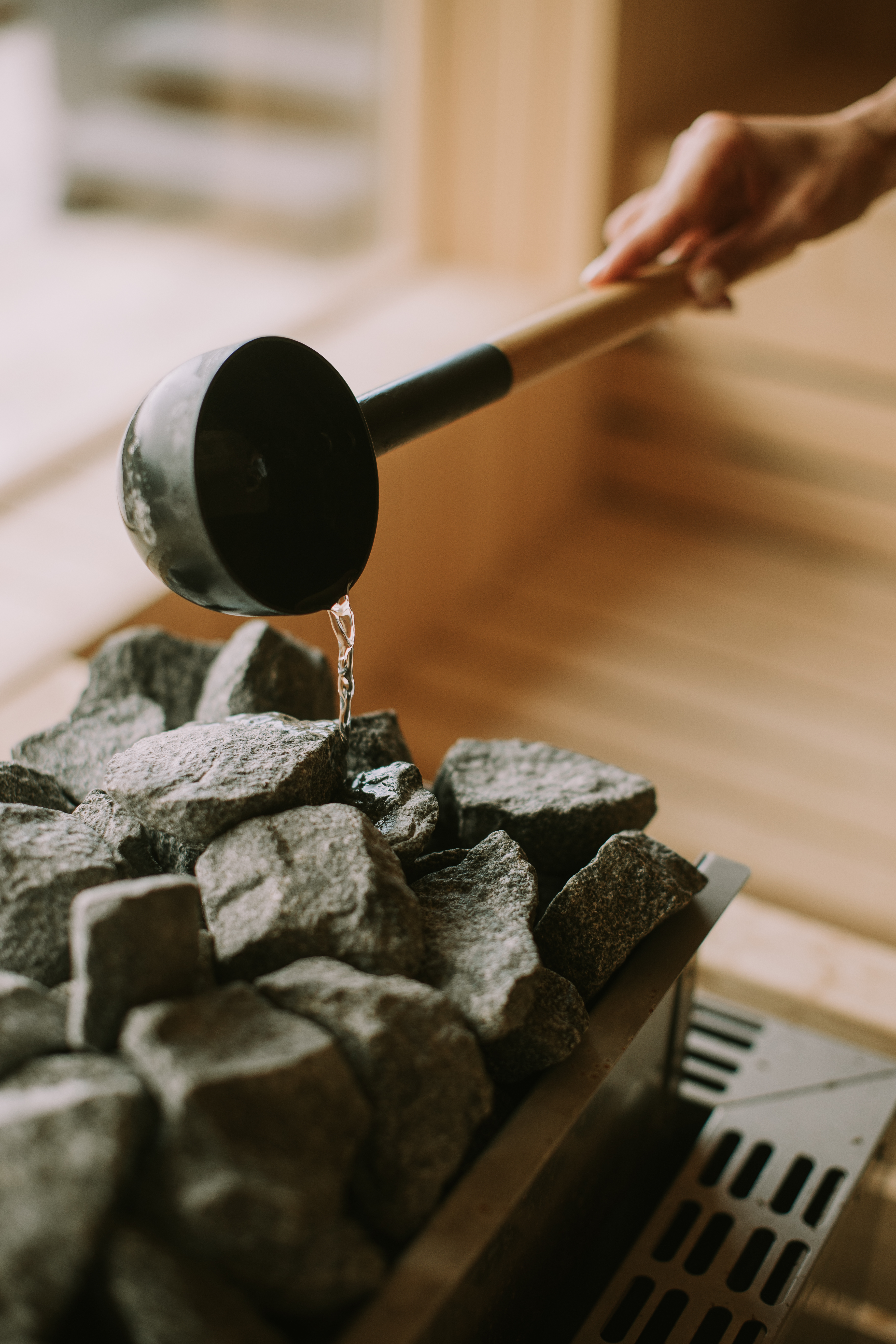
Traditional saunas have been around for centuries, originating from Finland. These saunas are typically built in permanent structures, either indoors or outdoors, and use either electric or wood-fired heaters to generate heat. The atmosphere in a traditional sauna is characterized by high temperatures and low humidity.
Benefits of Traditional Saunas
Traditional saunas offer numerous health benefits, including improved circulation, detoxification, and stress relief. The dry heat helps to relax muscles and soothe aches and pains, making them a popular choice for athletes and those seeking relaxation alike.
The Experience: Floating vs. Traditional
The experience of using a floating sauna is unique due to its setting on water. The gentle movement of the water can enhance relaxation, providing a soothing ambiance that is hard to replicate on land. In contrast, traditional saunas offer a more stable environment, which some users may prefer for a consistent experience.
Accessibility and Location
Floating saunas are often located in areas that are not easily accessible by foot, adding an element of adventure to the experience. This can be a draw for those looking for a unique outing. Traditional saunas, however, are more widely available and can be found in many gyms, spas, and homes, providing easy access to a relaxing experience.
Conclusion
Both floating saunas and traditional saunas offer unique experiences and benefits. Whether you prefer the tranquil, water-based setting of a floating sauna or the classic, stable environment of a traditional sauna, both options provide excellent ways to relax and unwind. Ultimately, the choice comes down to personal preference and the type of experience you are seeking.