Exploring the History and Culture of Saunas in Norway


The Origins of Saunas in Norway
The tradition of sauna bathing in Norway has deep historical roots, intertwined with the country's natural landscapes and cultural practices. Saunas, known as "badstue" in Norwegian, have been part of Scandinavian life for centuries, providing warmth and relaxation in a cold climate.
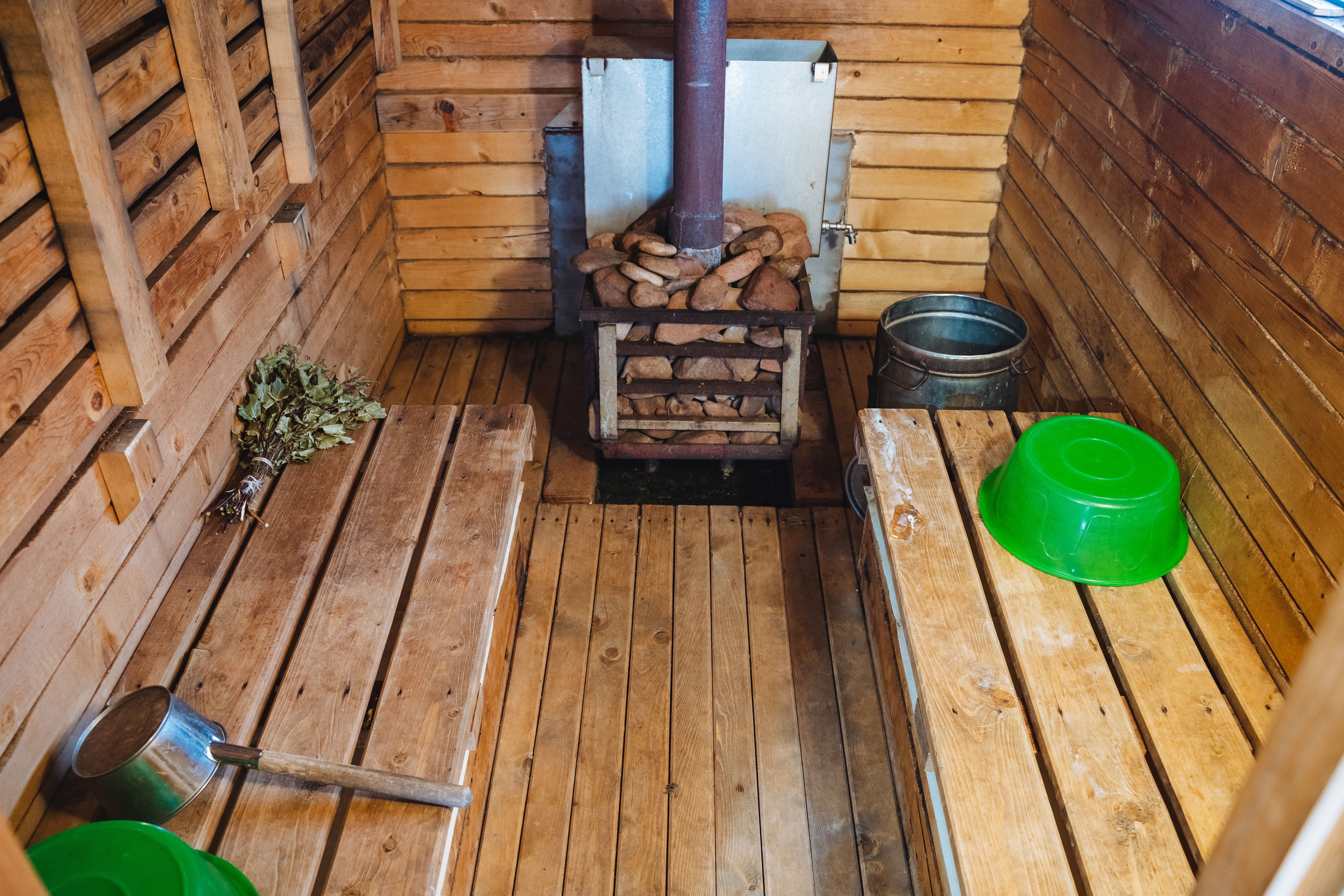
Historically, saunas were constructed using logs and were integral to rural life. They served multiple purposes beyond relaxation, including acting as a place for cleaning, healing, and even childbirth. This multifunctional space was central to family and community life.
Cultural Significance and Traditions
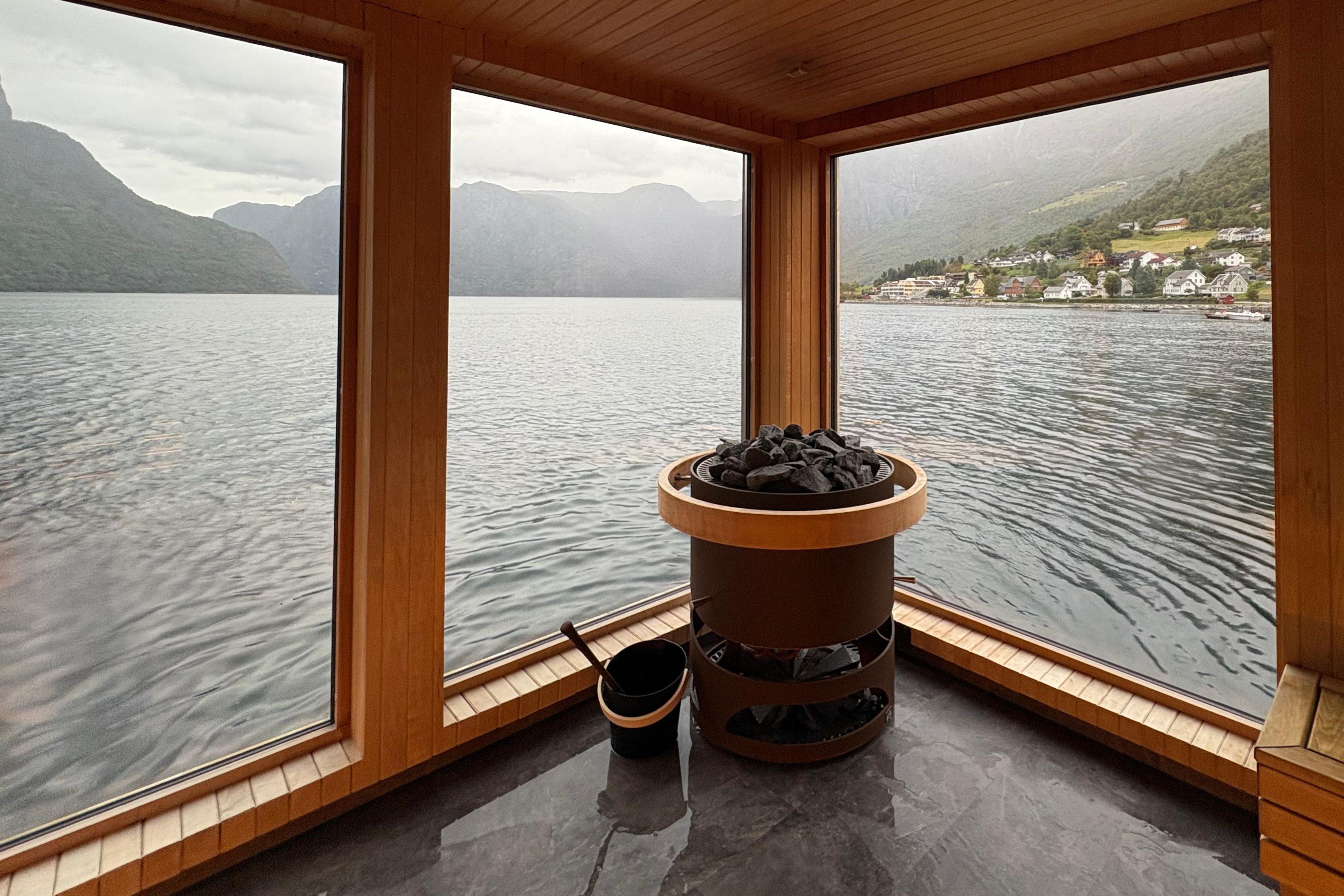
In Norway, saunas are more than just a place to unwind; they are a cultural symbol. The practice is deeply embedded in the Norwegian way of life, promoting physical and mental well-being. Saunas are often located near lakes or fjords, allowing for a refreshing dip in the cold water after a hot session, a practice cherished by many Norwegians.
Traditionally, saunas are seen as a place of equality and community. Regardless of social status, everyone shares the same space, fostering a sense of unity and connection. This aspect of sauna culture highlights the importance of community in Norwegian society.
The Sauna Experience
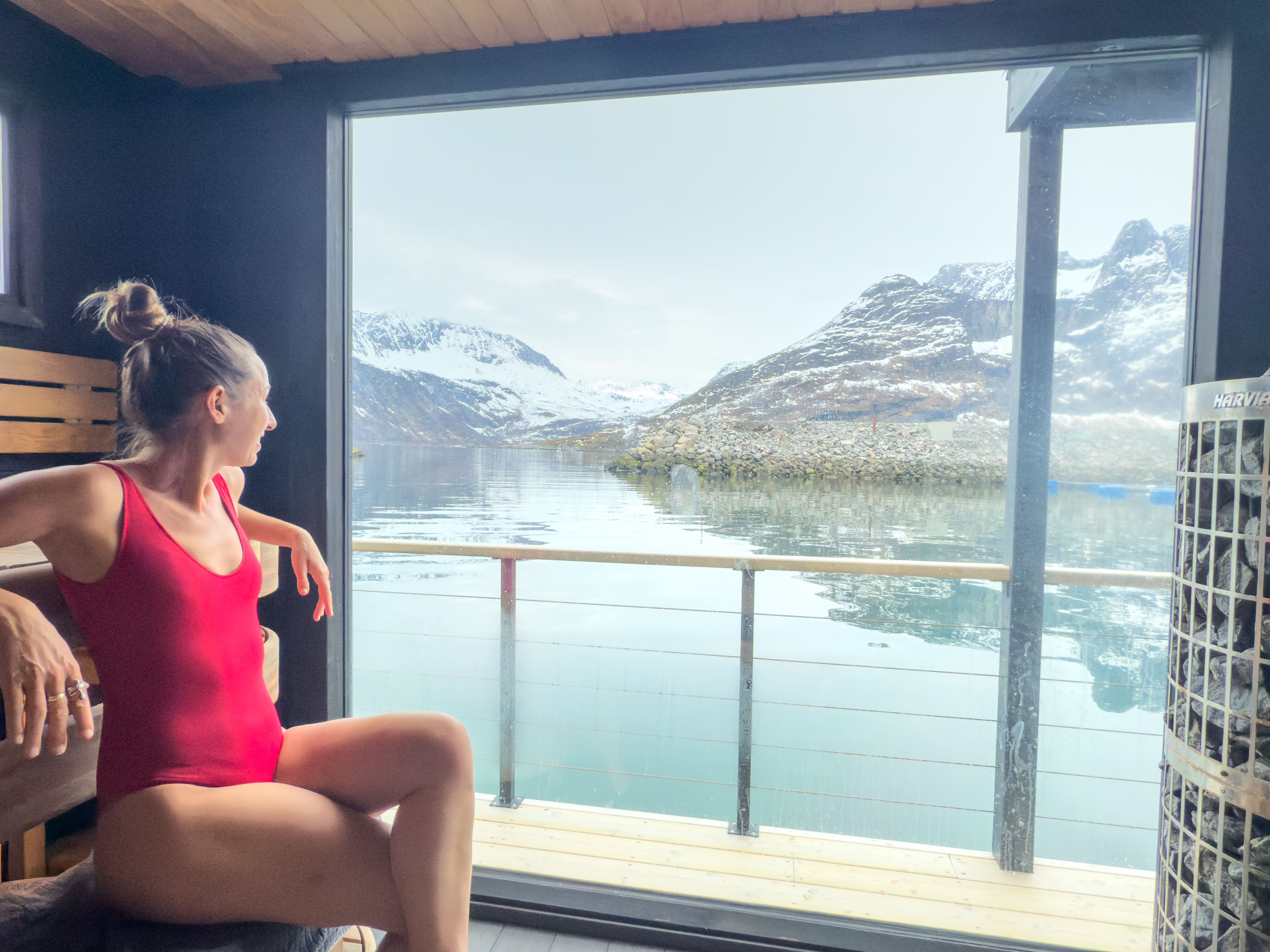
Experiencing a Norwegian sauna is both a physical and sensory journey. The heat is typically generated by a wood-fired stove, creating a unique aroma and atmosphere. Many saunas incorporate natural elements such as stones and wood, enhancing the connection to nature.
Sauna sessions often involve multiple rounds of heating and cooling. Participants may spend time in the hot sauna, followed by a plunge into cold water or a roll in the snow. This cycle is believed to improve circulation and invigorate the body.
Modern Saunas and Innovations
While traditional saunas remain popular, modern innovations have also taken root in Norway. Contemporary saunas may feature advanced technologies such as electric heaters and infrared panels, offering varied options for enthusiasts.
Additionally, Norwegian architects and designers have begun creating stunning sauna structures, blending modern aesthetics with traditional elements. These designs often emphasize sustainability and harmony with the natural environment.
Sauna Etiquette and Tips
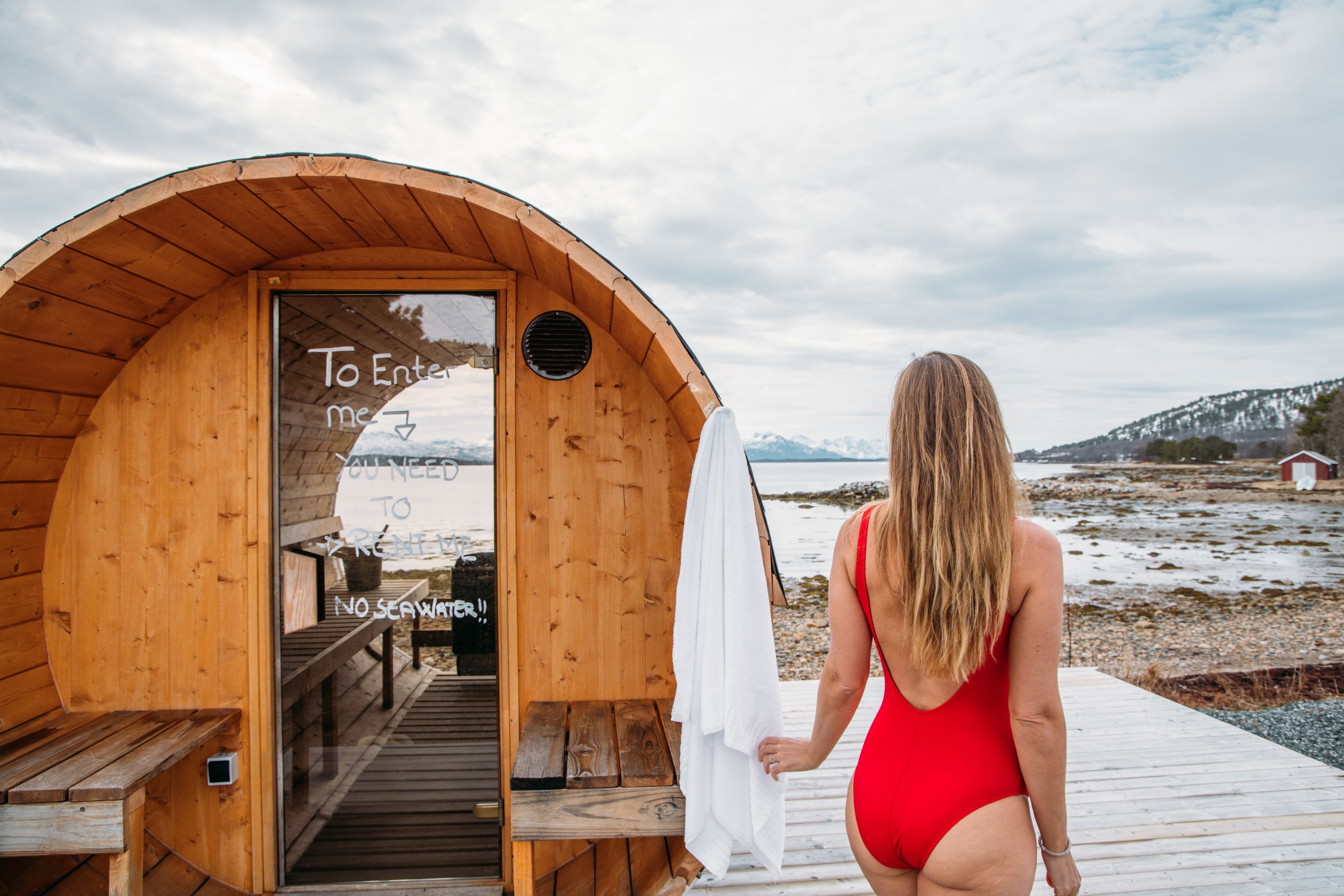
For those new to the Norwegian sauna experience, understanding the etiquette is essential. It's customary to shower before entering the sauna and to bring a towel to sit on. Silence is often appreciated, allowing for relaxation and reflection.
Timing your sauna sessions is also important. It's best to start with shorter rounds and gradually increase duration as you become accustomed to the heat. Hydration is crucial, so be sure to drink water before and after your session.

Conclusion: A Timeless Tradition
The history and culture of saunas in Norway are a testament to the enduring appeal of this ancient practice. Whether seeking relaxation, community, or a deeper connection with nature, saunas offer a unique experience that continues to be cherished by Norwegians and visitors alike.
Exploring the rich traditions and innovations of Norwegian saunas provides insight into a culture that values wellness, sustainability, and community. Whether in a rustic log sauna or a modern architectural marvel, the essence of the sauna experience remains a timeless tradition.