Comparing Traditional vs. Infrared Saunas: Which is Right for You?


Understanding Traditional Saunas
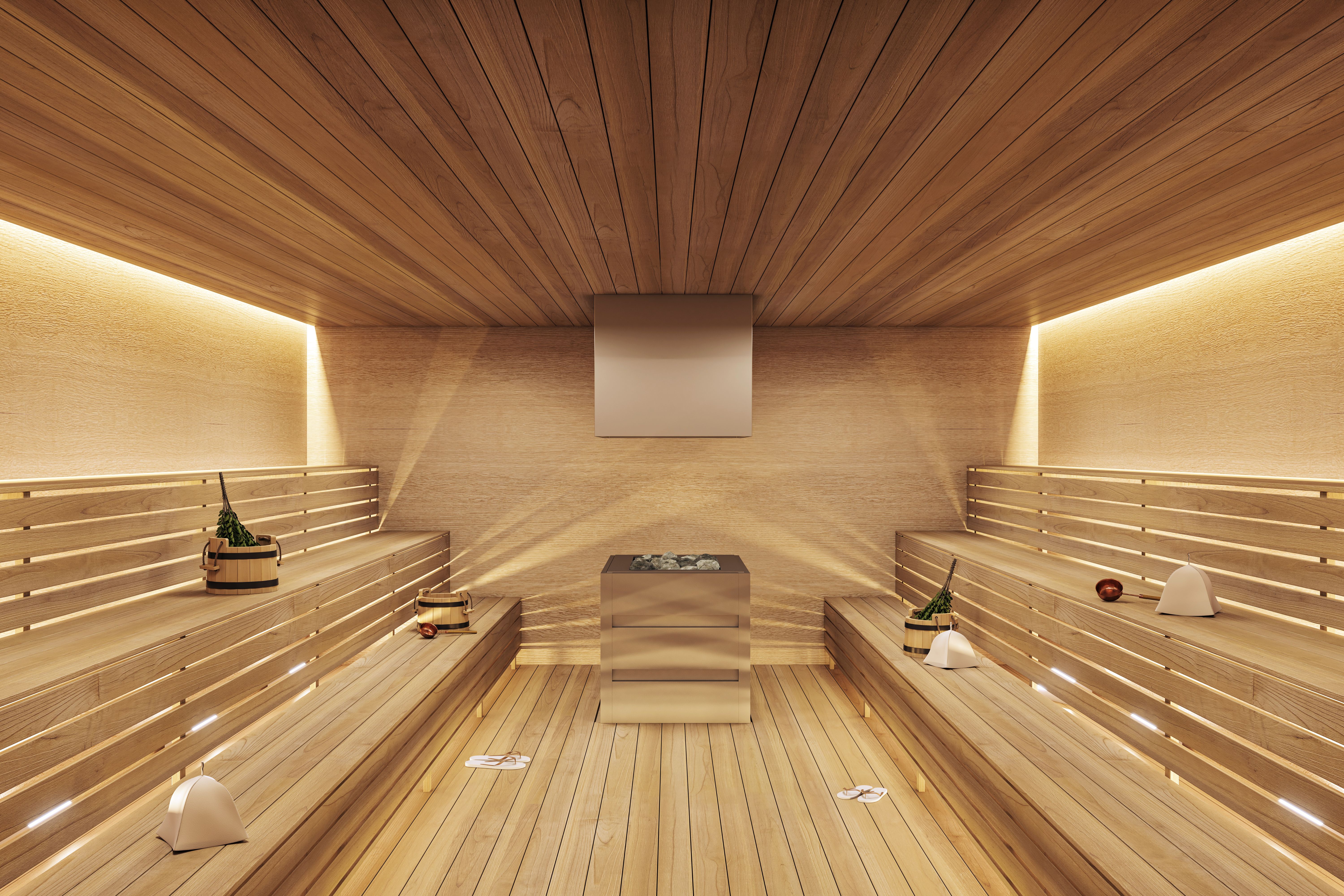
Traditional saunas have been used for centuries, offering a classic way to relax and detoxify. These saunas typically use a heater to warm the air, reaching temperatures between 150°F and 195°F. As the air warms, your body heats up, encouraging sweating.
One of the main benefits of traditional saunas is the intense heat, which can provide relief for sore muscles and improve circulation. Many people enjoy the ritualistic aspect of pouring water over heated rocks to create steam, enhancing the sauna experience.
Exploring Infrared Saunas
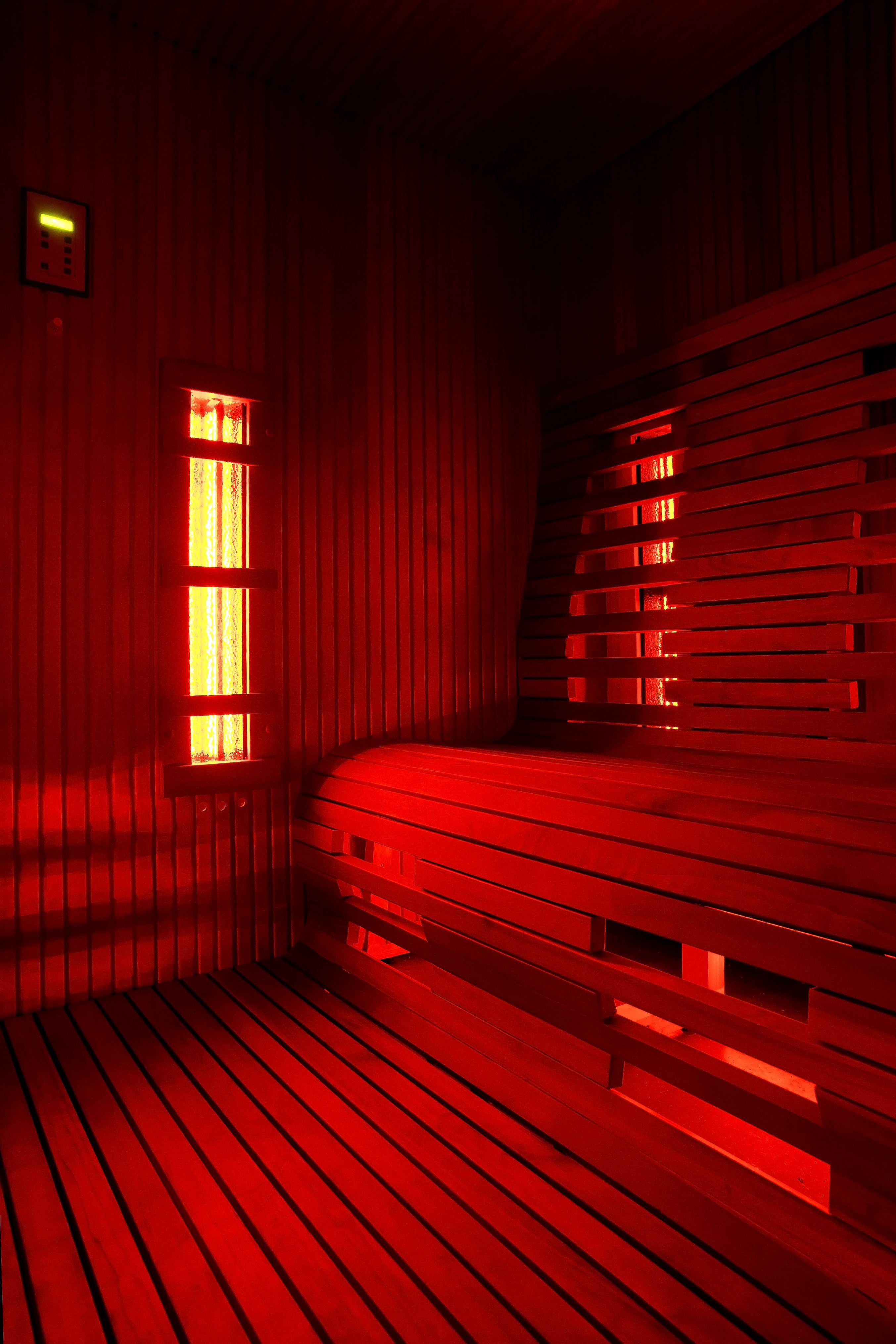
Infrared saunas are a more recent innovation, using infrared panels to directly heat the body instead of warming the air. This method allows for lower temperatures, usually between 120°F and 140°F, while still promoting sweating and detoxification.
Many users find infrared saunas more comfortable due to the milder heat. They are also praised for their ability to penetrate deeper into the skin, potentially offering enhanced health benefits such as improved skin health and pain relief.
Comparing Health Benefits
Both traditional and infrared saunas offer numerous health benefits, but they differ in their approach. Traditional saunas provide intense heat that can help with deep muscle relaxation and stress relief. On the other hand, infrared saunas are known for their gentle heat and potential to improve circulation and aid in weight loss.
Studies suggest both types of saunas can support cardiovascular health, but the choice often depends on personal preference and health goals. If you prefer a more intense experience, a traditional sauna might be your choice. If you are looking for a milder, more penetrating heat, consider an infrared sauna.

Installation and Maintenance
When it comes to installation, traditional saunas usually require more space and a robust electrical setup. They often need dedicated areas in homes or spas, which can involve significant costs.
Infrared saunas, however, are generally more compact and easier to install. They can fit into smaller spaces and often require less energy to operate, making them a convenient option for home use.
Cost Considerations
Cost is another important factor to consider. Traditional saunas can be more expensive initially due to their construction and installation requirements. However, they might offer a longer lifespan if well-maintained.
Infrared saunas tend to have a lower upfront cost and can be more energy-efficient in the long run. This makes them an attractive option for those looking to enjoy the benefits of a sauna without a significant financial investment.
Which Sauna is Right for You?
Choosing between a traditional and an infrared sauna depends on your personal preferences and needs. Consider factors such as the type of heat you prefer, health benefits, space availability, and budget.
If you enjoy high heat and the classic sauna experience, a traditional sauna might be the right choice. If you prefer a gentler heat and modern convenience, an infrared sauna could be the best option.
Conclusion
Both traditional and infrared saunas offer unique benefits, and understanding these can help you make an informed decision. Whether you're seeking relaxation, health improvements, or both, there’s a sauna experience waiting to meet your needs.
Take the time to explore each option and consider your lifestyle and health goals. Whichever you choose, incorporating regular sauna sessions can be a rewarding addition to your wellness routine.