Comparing Traditional vs. Floating Saunas: Which is Right for You?


Understanding Traditional Saunas
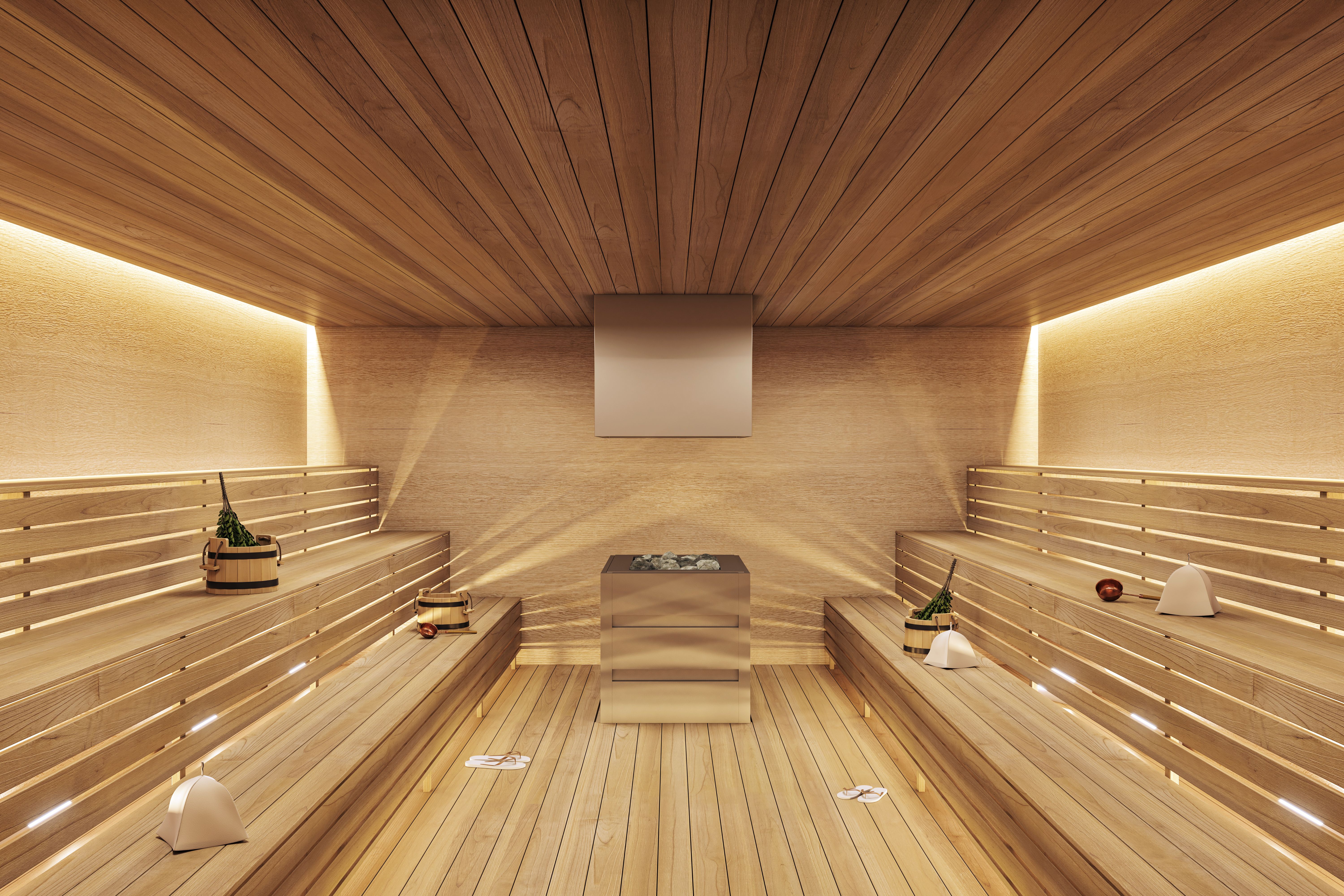
Traditional saunas have been a staple of relaxation and wellness for centuries. These saunas use a heat source, typically wood or electric, to warm a small room. The high temperatures, often ranging from 150°F to 195°F, promote sweating, detoxification, and relaxation. The experience is enhanced with the use of water poured over hot stones to create steam.
Traditional saunas are widely appreciated for their health benefits, which include improved circulation, muscle relaxation, and stress reduction. The intense heat can help to relax muscles and soothe aching joints, making it a popular choice for athletes and those with chronic pain.
Exploring Floating Saunas
Floating saunas are a modern twist on the traditional sauna experience. These unique structures are built on water, offering an immersive and scenic setting. Floating saunas often use wood-burning stoves and provide a tranquil escape surrounded by nature.
One of the main attractions of floating saunas is the connection to the natural environment. As you relax in the sauna, you can enjoy picturesque views, the sound of water lapping against the structure, and the fresh air. This combination creates a truly rejuvenating experience that blends the benefits of traditional saunas with the serenity of nature.

Key Differences
Location and Setting
The primary difference between traditional and floating saunas is the location. Traditional saunas are typically stationary and found in homes, gyms, or spas. In contrast, floating saunas are built on water, offering a unique and scenic experience.
Atmosphere and Ambiance
While both types of saunas offer relaxation, the ambiance varies significantly. Traditional saunas provide a controlled environment, often indoors, which can be ideal for those seeking a consistent experience. Floating saunas, however, offer a dynamic environment that changes with the weather and time of day, appealing to those who enjoy a connection with nature.

Benefits and Considerations
When deciding between a traditional and floating sauna, consider your personal preferences and lifestyle. Traditional saunas are convenient and accessible, making them a practical choice for regular use. They are also easy to install and maintain.
Floating saunas, on the other hand, are perfect for those who value adventure and uniqueness. They provide a memorable experience that combines relaxation with the beauty of nature. However, they may be less accessible and require more planning to visit.
Conclusion
Ultimately, the choice between a traditional and floating sauna depends on what you value most in a sauna experience. If convenience and consistency are your priorities, a traditional sauna might be the best fit. If you seek a unique, nature-oriented experience, a floating sauna could be the perfect escape.
Both types of saunas offer incredible benefits for the mind and body. Whether you choose the classic warmth of a traditional sauna or the scenic allure of a floating sauna, you're sure to enjoy a rejuvenating and relaxing experience.