Comparing Saunas: Traditional vs. Floating


Introduction to Saunas
Saunas have long been cherished for their health benefits, relaxation, and social aspects. However, with innovations in wellness technology, new types such as floating saunas have emerged alongside traditional ones. Understanding the differences between these two can help you choose the best option for your needs.

Traditional Saunas
What Are They?
Traditional saunas are enclosed spaces that use heated stones to produce a dry heat environment. The temperature typically ranges from 150°F to 195°F, with low humidity levels. This heat promotes sweating, helping to detoxify the body and improve circulation.
Benefits
Traditional saunas offer a myriad of benefits. These include improved cardiovascular health, muscle relaxation, and stress relief. The intense heat can also help with pain relief, making it popular among athletes and those with chronic pain conditions.
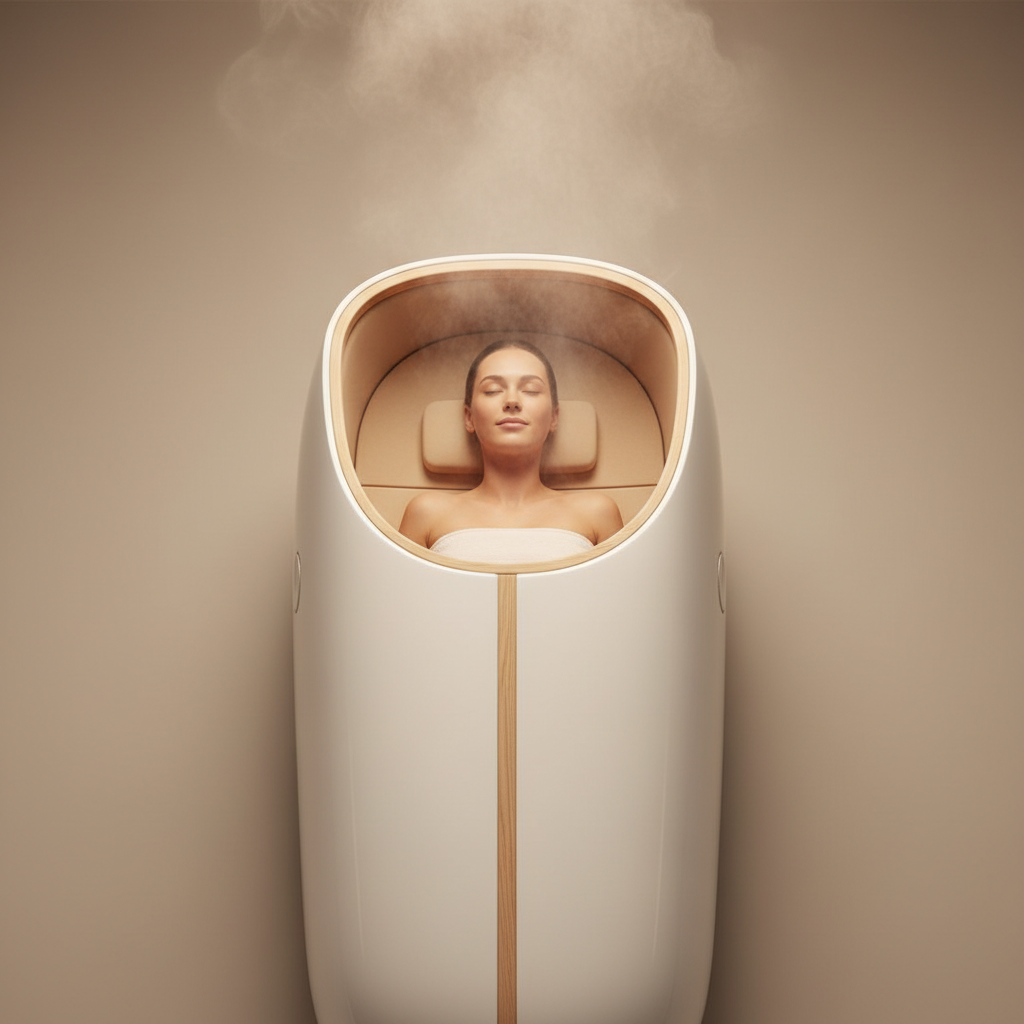
Floating Saunas
What Are They?
Floating saunas are a unique innovation that combines the therapeutic benefits of a traditional sauna with the tranquility of being on the water. These saunas are typically built on pontoons or boats, allowing them to float on lakes or rivers.
Benefits
The primary allure of floating saunas is the serene experience. Being surrounded by nature enhances relaxation and offers a peaceful retreat from everyday life. Additionally, the gentle motion of the water can enhance the calming effects of the sauna session.
Comparing the Two
Environment and Experience
Traditional saunas offer a controlled, high-heat environment ideal for those seeking intense detoxification. In contrast, floating saunas provide a unique setting that combines the benefits of heat with the soothing ambiance of natural surroundings.
Accessibility and Setup
Traditional saunas are widely available and can be installed in homes or accessed at gyms and spas. On the other hand, floating saunas may require travel to specific locations, often in scenic areas, making them less accessible but offering a distinctive experience.
Conclusion
Both traditional and floating saunas offer unique benefits and experiences. If you prefer a consistent, intense heat for health purposes, a traditional sauna might be the right choice. However, if you seek relaxation and a connection with nature, a floating sauna could offer the perfect escape.
Ultimately, the choice between traditional and floating saunas depends on personal preferences and lifestyle. Consider what aspects of the sauna experience are most important to you when making your decision.